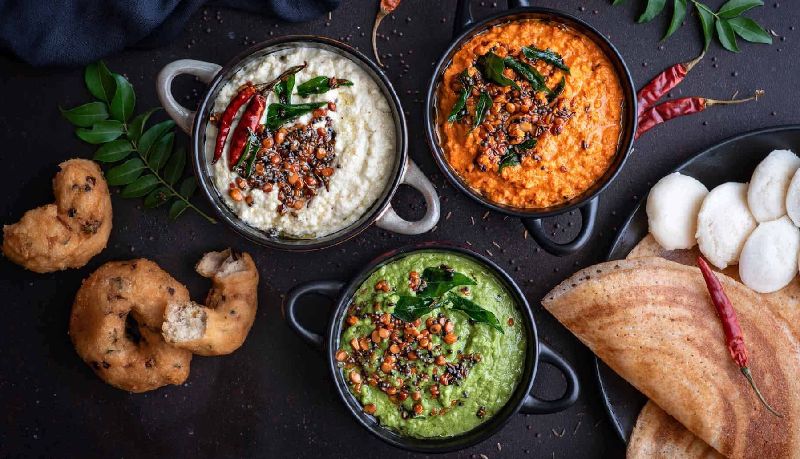
South Indian food is loved across India, but enjoying it the right way adds a whole new level of satisfaction. From crispy dosa to soft idli and golden vada, each dish has its own eating style rooted in tradition, culture, and everyday habits. Understanding South Indian food etiquette not only helps you blend in like a local but also allows you to truly appreciate the flavors, textures, and balance of the cuisine.
Whether you’re eating South Indian breakfast in Pune or visiting a traditional eatery down south, these food manners are simple, respectful, and deeply connected to the culture. Let’s explore how to eat dosa, idli, and vada properly just the way locals do.
Why South Indian Food Etiquette Matters
In South India, food is more than nourishment it’s an experience tied to mindfulness and respect. Traditional meals emphasize eating fresh, using hands, and savoring every bite. These practices aren’t rigid rules but gentle customs passed down through generations.
Following local dining etiquette in India’s South food culture shows appreciation for the cuisine and enhances taste perception. Believe it or not, how you eat can influence how food feels and tastes.
How to Eat Dosa Properly
Dosa is perhaps the most iconic South Indian dish, known for its thin, crispy texture and comforting flavors. But there’s a proper way to enjoy it.
Break, Don’t Cut
Traditionally, dosa is eaten by hand. Tear off small pieces instead of cutting it with a knife. This helps you control the bite size and enjoy the crispness without breaking the dosa unevenly.
Dosa With Hands Etiquette
Using your fingers lets you feel the food’s texture and temperature. It’s considered hygienic and respectful when done properly only the fingertips are used, not the entire palm.
Chutney Dipping Tips
Instead of drowning your dosa in chutney or sambar, lightly dip the torn piece. Locals prefer balancing flavors a bit of coconut chutney here, a touch of sambar there. The idea is to complement the dosa, not overpower it.
Eat It Fresh
Dosa is best enjoyed hot and crisp. Waiting too long makes it soggy, which is why South Indian eateries serve it immediately. Eating fresh is a key part of food manners in South India.
Traditional Way to Eat Idli
Soft, fluffy idlis are comfort food at their best. Their simplicity demands a gentle approach.
Tear Gently
Rather than stuffing the whole idli into your mouth, tear it into small pieces using your fingers. This allows the idli to soak up chutney or sambar evenly.
Mix With Care
Some locals lightly mash idli with sambar, while others dip each piece separately. Both methods are acceptable. What matters is not mixing everything into a messy pool neatness is part of the etiquette.
Chutney Comes First
Typically, idli is paired with coconut chutney first, followed by sambar. This sequence allows your palate to enjoy subtle flavors before moving to bolder ones.
Vada Eating Culture Explained
Vada is crispy on the outside and soft inside a textural delight when eaten right.
Break and Dip
Just like dosa, vada is broken into pieces, not bitten into whole. Each piece is dipped lightly into sambar or chutney.
Soak, Don’t Submerge
A common mistake is soaking vada completely in sambar until it falls apart. Locals prefer it crisp with just enough sambar to enhance flavor.
Eat Warm
Vada tastes best when warm. Eating it fresh preserves the crunch and aroma, which is central to vada eating culture.
Using Hands: A Cultural Norm, Not a Rule
Many first-timers hesitate to eat South Indian food with their hands. But in South India, this is completely normal and encouraged. Using hands is believed to improve sensory connection with food you feel heat, texture, and freshness before tasting.
That said, if you’re uncomfortable, spoons are acceptable, especially in urban settings. True etiquette lies in respect and comfort, not rigid enforcement.
Everyday South Indian Dining in Pune
In cities like Pune, South Indian eateries blend tradition with modern comfort. While spoons and plates are common, the essence of South Indian food etiquette remains intact eating fresh, wasting less, and enjoying food mindfully.
At places that serve authentic South Indian breakfast, you’ll notice locals eating calmly, focusing on flavors rather than rushing through meals. That’s a subtle but important part of the culture.
Common Etiquette Tips to Remember
- Eat calmly; food is meant to be savored
- Avoid wasting chutney or sambar
- Keep your plate neat
- Respect the food and the people serving it
- Eat fresh and hot whenever possible
These small habits reflect the heart of local dining etiquette in India’s South food tradition.
Experience Authentic South Indian Food the Right Way
Understanding how to eat dosa, idli, and vada properly transforms a simple meal into a cultural experience. Whether you’re new to South Indian cuisine or a long-time fan, embracing these traditions adds depth to every bite.
If you’re looking to enjoy authentic South Indian flavors while experiencing true food etiquette, there’s no better place to start.
👉 Take a flavor tour of South India one dosa at a time, only at Yenna Dosa!
📍 Address: Yenna Dosa, Bibvewadi, Pune – 411037
📞 Contact: +91 75229 09090
🌐 Website: www.yennadosa.com
-
 Share
Share
-
 0
0
-
 0
0