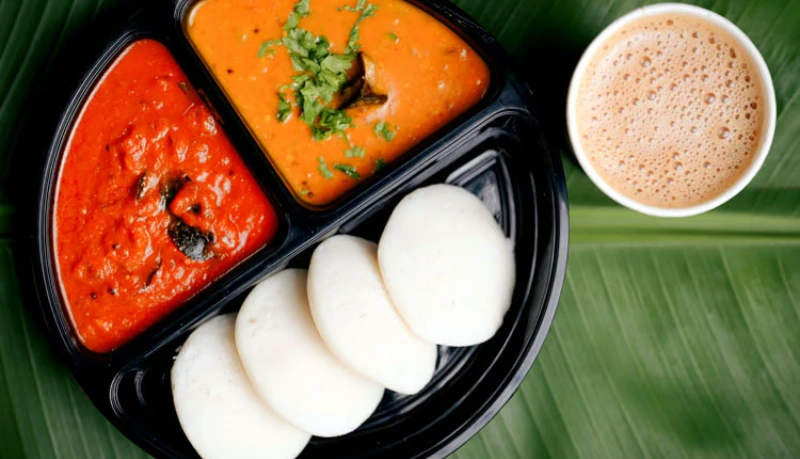
Getting children to try new food can sometimes feel like a daily negotiation. One day they love something, and the next day they refuse to even look at it. Parents often find themselves searching for meals that are familiar enough for picky eaters, interesting enough to keep them engaged, and easy enough for little hands to eat.
This is where kids-friendly South Indian food can make family meals much easier.
South Indian cuisine has a natural advantage when it comes to feeding children. Soft idlis, crispy dosas, fluffy uttapams and simple rice dishes can be served in different shapes, textures and combinations. Parents can also choose milder preparations and introduce accompaniments separately instead of putting a plate full of unfamiliar flavours in front of a child.
For families in Pune, a visit to a South Indian restaurant can therefore become more than just a meal. It can be an opportunity for children to discover new flavours without feeling overwhelmed.
At Yenna Dosa in Bibvewadi, families can choose from a broad menu of South Indian favourites, including several varieties of idli, dosa, vada, uttapam and rice preparations. The restaurant describes itself as a pure-vegetarian South Indian restaurant in Pune, with dishes representing different South Indian food traditions.
So, how can parents make South Indian food more appealing to picky eaters?
Let’s explore.
Why South Indian Food Works So Well for Children
Children often respond strongly to the texture, appearance and familiarity of food.
A complicated dish containing several ingredients mixed together may immediately become a “no” for a picky eater. But a dosa or idli can be introduced in a much simpler way.
A child can see the food clearly.
They can touch it.
They can break it into small pieces.
They can eat it with their hands.
They can decide whether they want chutney or sambar with it.
That sense of control can make trying a new food less intimidating.
South Indian cuisine also provides plenty of variety without requiring parents to completely change the type of meal being served. A dosa can be plain, filled, crisp or soft. Idli can be traditional, mini-sized or prepared in different styles.
This flexibility is one of the reasons South Indian food for children can be such a practical option for family dining.
1. Start With Plain Dosa for Picky Eaters
When introducing South Indian food to a child who is hesitant about new flavours, keeping things simple is often a good starting point.
A plain dosa has a familiar appearance and a straightforward texture. It can be crisp around the edges while remaining softer towards the centre, giving children different textures to explore.
For a child who does not enjoy strong spices, parents can request a relatively mild preparation and offer the accompaniments separately.
This makes the meal easier to customise.
The child can first try the dosa by itself. Once they are comfortable with it, a small amount of chutney or sambar can be introduced.
At Yenna Dosa, the menu includes several dosa varieties, including Rava Plain Dosa along with other dosa preparations.
The goal is not to make a child eat an entire dish they dislike. Instead, the idea is to make the first experience positive.
A small piece of dosa can be a much easier introduction than an unfamiliar mixed dish.
A Simple Parent Trick
Instead of saying:
“You have to finish your dosa.”
Try:
“Would you like to try one small piece?”
That tiny change can make the meal feel less like a demand and more like an invitation.
2. Why Idli Is a Great Starting Point for Younger Children
For younger children, texture can matter just as much as taste.
Idli is soft, steamed and easy to break into smaller pieces, making it an approachable option for many families.
The texture is very different from crispy snacks or heavily fried foods, which means children can explore a softer type of South Indian food without dealing with complicated textures.
Yenna Dosa’s menu features several idli options, including traditional Idli, Malligae Idli, Rava Idli, Thatte Idli, Button Idli with sambar and Kanchivaram Idli.
For parents searching for idli for toddlers, the most important consideration should be age-appropriate preparation and serving size. Parents should cut food into suitable pieces and supervise young children while eating.
For older children, idli can become an easy and enjoyable introduction to South Indian cuisine.
The best part?
You don’t need to introduce every flavour at once.
Start with plain idli.
Then introduce a small amount of chutney.
Later, try sambar.
This gradual approach can help children become familiar with flavours at their own pace.
3. Mini or Button Idli Makes Food More Fun
Presentation can have a surprisingly big influence on how children react to food.
A large portion can sometimes feel intimidating. Smaller portions, however, can make the same food feel more approachable.
This is where button idli becomes interesting.
Yenna Dosa serves Button Idli with sambar, with the menu listing 12 pieces.
Small idlis can feel more like bite-sized food rather than a conventional meal. Children can pick them up individually and decide how much they want to eat.
For parents, this also makes portioning easier.
Instead of giving a child a full plate and asking them to finish it, you can offer a smaller quantity and allow them to ask for more if they are still hungry.
It turns mealtime into a more relaxed experience.
4. Soft Mallige Idli Can Be a Gentle Introduction
Mallige Idli is another interesting option for children who prefer particularly soft foods.
The name “Mallige” is associated with jasmine, and the dish is known for its soft texture. Yenna Dosa specifically describes its Malligae Idli as being extra soft.
For children who are sensitive to crunchy textures or simply prefer soft foods, this can be a pleasant variation.
Parents can serve it plain initially and then introduce mild accompaniments separately.
This is also a useful reminder that South Indian cuisine is not just about crispy dosas.
There are plenty of soft, fluffy and steamed options too.
5. A Mild Dosa Can Be the Perfect Bridge to New Flavours
Children who reject spicy food do not necessarily dislike South Indian cuisine.
They may simply dislike strong flavours.
That distinction is important.
South Indian cuisine includes everything from very mild preparations to dishes with considerably more spice. Parents can begin with simpler options and gradually introduce stronger flavours as the child becomes comfortable.
A mild dosa for kids can therefore act as a bridge.
Start with a plain dosa.
Then try a little ghee or a familiar filling if appropriate.
Later, introduce mild chutney.
Eventually, the child may become comfortable enough to explore masala dosa or other varieties.
At Yenna Dosa, the menu offers a broad selection of dosa styles, ranging from plain and rava preparations to cheese, paneer, mushroom and other varieties.
This variety makes it easier for families to find something that matches each child’s comfort level.
6. Let Kids Choose Their Own Dosa
One of the easiest ways to make children more interested in food is to give them a small amount of choice.
Instead of asking:
“Do you want South Indian food?”
ask:
“Would you like dosa or idli?”
The second question is easier to answer.
If the child chooses dosa, you can then ask:
“Plain or with a filling?”
This creates a simple decision-making process.
Children feel involved in the meal rather than simply being told what they have to eat.
At a restaurant such as Yenna Dosa, the wide range of menu options gives families plenty of opportunities to customise the experience according to individual preferences. The restaurant’s menu includes multiple varieties across idlis, dosas, vadas and rice dishes.
7. Turn Dosa Into a Fun Eating Experience
Dosa is naturally interactive.
Children can tear pieces from it, roll them, dip them or eat them with their fingers.
Parents can even cut a dosa into smaller pieces before serving it.
For younger children, smaller pieces can make the food easier to handle. For older children, allowing them to decide whether they want chutney or sambar can make the meal more engaging.
You can also turn it into a small tasting game:
First bite: dosa by itself.
Second bite: dosa + chutney.
Third bite: dosa + sambar.
Then ask:
“Which one did you like best?”
This encourages children to explore flavour without making the meal feel like a lesson.
8. Uttapam Is Another Great Option for Children
Not every child enjoys the thin, crispy texture of dosa.
Some prefer something softer and thicker.
That is where uttapam can be a useful alternative.
Uttapam generally has a thicker, softer texture than a traditional crisp dosa. It can also be prepared with different toppings, allowing parents to choose a combination their child may already recognise.
Yenna Dosa’s menu includes Tomato Uttapam, Tomato Onion Uttapam, Cheese Tomato Onion Uttapam and Onion Cheese Uttapam.
For a child who already likes cheese or familiar vegetables, a suitable uttapam can provide a gentle introduction to South Indian flavours.
Again, the key is not to overwhelm.
If a child is hesitant about onions or tomatoes, starting with a simpler preparation may be easier.
9. Don’t Force Sambar and Chutney Immediately
For adults, dosa without sambar or chutney may feel incomplete.
For children, however, these accompaniments can sometimes be the reason they reject the meal.
Sambar has a distinct combination of lentils, vegetables, spices and tanginess. Chutneys can also have flavours that children may not be accustomed to.
That doesn’t mean children should avoid them.
It simply means they can be introduced gradually.
Serve the dosa separately.
Place a small amount of chutney on the side.
Let the child decide whether to try it.
The same approach works with sambar.
A small dip is less intimidating than soaking the entire dosa in sambar.
Over time, children may naturally develop a preference for particular chutneys or accompaniments.
10. Cheese Dosa Can Help Bridge Familiar and New Foods
Sometimes the easiest way to introduce a new cuisine is by combining it with a flavour the child already knows.
Cheese is familiar to many children, making cheese-based dosa an interesting option for families who want to experiment.
Yenna Dosa’s menu includes Cheese Masala Dosa, Rava Cheese Dosa and Rava Cheese Onion Masala among its offerings.
This doesn’t mean every child will prefer cheese dosa, but it demonstrates how versatile dosa can be.
The basic format remains recognisable while the flavour profile becomes more familiar.
For a picky eater who already enjoys cheese, this can be a stepping stone toward exploring other dosa varieties.
11. Don’t Forget Paniyaram
Dosa and idli may be the obvious choices, but children can also enjoy exploring lesser-known South Indian dishes.
Paniyaram, for example, is a small, round South Indian preparation cooked in a mould.
Because of its small size and distinctive shape, it can be visually appealing to children.
Yenna Dosa’s menu includes Paniyaram (Appae), served as six pieces.
For families, trying something like paniyaram can turn a regular restaurant visit into a small food adventure.
Instead of asking a child to eat an unfamiliar full meal, you can share one new dish among the family and let everyone taste it.
12. Make Family Dining About Exploration, Not Pressure
One of the biggest mistakes parents can make with picky eaters is turning every meal into a battle.
Food should ideally remain a positive part of family life.
A restaurant visit is an especially good opportunity to make eating social.
Parents can order different dishes and share them.
One child may prefer idli.
Another may choose dosa.
A parent might order vada.
Everyone can try a small bite from someone else’s plate.
This creates a relaxed environment where children can observe other family members enjoying different foods.
Over time, familiarity can reduce hesitation.
13. Why a Family Restaurant in Bibvewadi Can Make Dining Easier
For families living in and around Bibvewadi, choosing a restaurant with a broad vegetarian menu can simplify family outings.
Children may have completely different preferences from their parents. One person may want a crispy dosa, another may prefer idli, while someone else may want a rice-based meal.
A restaurant with variety gives everyone more flexibility.
Yenna Dosa is located in Bibvewadi, Pune, and offers a range of South Indian dishes across breakfast, lunch and dinner. Its website describes the restaurant as a quick-service South Indian restaurant with choices for casual and fast dining.
The menu includes traditional dishes as well as several variations, allowing families to choose according to taste and appetite.
For parents looking for a family restaurant in Bibvewadi, this variety can make a difference.
Instead of worrying about whether there will be something your child will eat, you can choose from multiple familiar and less adventurous options.
14. A Simple Kid-Friendly South Indian Meal Plan
If you are visiting Yenna Dosa with children for the first time, here’s a simple way to approach the meal.
For younger children
Consider starting with:
Soft idli + a small amount of chutney
or
Button idli with sambar served separately
The goal is to keep the first experience simple.
For children who like crispy food
Try:
Plain dosa + chutney
The crispy texture can make the dish immediately appealing.
For children who like familiar flavours
Consider:
Cheese dosa or a suitable cheese-based dosa option
This can provide a familiar flavour alongside the dosa format.
For children who prefer soft food
Try:
Mallige Idli or a soft uttapam
Both provide textures that are different from crispy dosa.
For adventurous little foodies
Introduce:
Paniyaram, a different dosa variety or another South Indian preparation
Let the child decide whether they want to try it.
15. How Parents Can Gradually Expand a Picky Eater’s Food Choices
Getting a picky eater to enjoy new food usually isn’t about finding one magical dish.
It is about repeated, low-pressure exposure.
A child may reject idli today and enjoy it a few weeks later.
They may dislike chutney initially but eventually ask for more.
They may start with plain dosa and gradually move toward masala dosa.
This progression is completely normal.
A useful approach is:
Step 1: Start familiar
Choose plain dosa or idli.
Step 2: Introduce one new element
Add a little chutney or sambar.
Step 3: Offer choices
Let the child decide between two suitable dishes.
Step 4: Experiment with texture
Move from idli to dosa, or from dosa to uttapam.
Step 5: Explore flavours
Once the child is comfortable, try different fillings and accompaniments.
Step 6: Keep portions manageable
A small serving can feel less intimidating than a large plate.
The goal is progress, not perfection.
16. South Indian Food Can Become a Family Tradition
Food memories often begin with simple family meals.
A child may remember visiting a restaurant with their parents, tearing pieces of dosa with their hands, dipping idli into sambar or sharing a plate of vada with siblings.
These experiences can shape their relationship with food for years.
That is one reason family dining is about more than simply finding something a child will eat.
It is about helping children discover flavours, textures and food traditions in a comfortable environment.
South Indian cuisine offers plenty of opportunities for that.
The cuisine is diverse enough to keep adults interested while offering simple options for children.
At Yenna Dosa, the menu brings together dishes associated with different South Indian food traditions, while its Bibvewadi location makes it a convenient option for local families.
17. Why Dosa and Idli Continue to Win Over Generations
There is a reason dosa and idli have remained staples across generations.
They are versatile.
They can be served in different forms.
They work for breakfast, snacks or meals.
They can be paired with different accompaniments.
And perhaps most importantly for families, they can be adapted to different preferences.
A child may want plain dosa.
A teenager may prefer cheese dosa.
Parents may choose masala dosa.
Grandparents may prefer idli or pongal.
Everyone can sit at the same table and enjoy something different.
That flexibility is one of the biggest strengths of South Indian cuisine.
Frequently Asked Questions
Is South Indian food suitable for children?
Many South Indian dishes can be suitable for children, depending on the child’s age, dietary needs and preferences. Softer options such as idli and simpler dosa preparations can be easier for children to try. Parents should choose age-appropriate portions and preparations.
Which South Indian food is easiest for picky eaters?
There is no single option that works for every child, but plain dosa and idli are often good starting points because their flavours and textures can be relatively simple. Parents can introduce chutney and sambar separately.
Is idli good for toddlers?
Idli is soft and steamed, but toddlers should always be served age-appropriate pieces and supervised while eating. Parents should consider their child’s individual feeding stage and any dietary requirements.
What is a good mild dosa for kids?
A plain dosa is one of the simplest options to start with. Depending on the child’s preferences, parents can later explore other varieties. At Yenna Dosa, the menu includes plain and several other dosa preparations.
How can I get my child to try South Indian food?
Start with something familiar and simple. Offer a small portion, keep spicy accompaniments separate and allow your child to choose between a couple of suitable options. Avoid making the meal a pressure-filled experience.
Is Yenna Dosa suitable for a family meal in Bibvewadi?
Yenna Dosa is a pure-vegetarian South Indian restaurant in Bibvewadi, Pune, offering a wide variety of idlis, dosas, vadas, uttapams, rice dishes and beverages. Its broad menu gives families multiple choices for different tastes and preferences.
Final Thoughts: Make Their First Bite a Positive One
Getting a picky eater to love new food doesn’t happen overnight. The secret is often to start small. A single piece of soft idli. A bite of plain dosa. A little chutney on the side. A new texture. A familiar flavour. And, most importantly, a relaxed family meal.
Kids-friendly South Indian food doesn’t have to mean creating an entirely separate menu for children. Instead, it can mean choosing versatile dishes that allow families to adjust flavours, textures and portions according to individual preferences.
Dosa and idli are perfect examples of this versatility.
They can be simple enough for a first-time eater and interesting enough for someone who already loves South Indian cuisine.
So, the next time your child says, “I don’t want to try that,” consider giving them a small piece rather than a full plate.
Let them explore.
Let them choose.
And let their first experience with South Indian food be about discovery rather than pressure.
For families in Pune, Yenna Dosa in Bibvewadi offers plenty of opportunities to do exactly that, with a menu ranging from soft idlis and different dosa varieties to uttapams, paniyaram, vadas and rice dishes.
Because sometimes, getting a picky eater to love something new starts with just one delicious bite.
Visit Yenna Dosa, Bibvewadi
Looking for a family-friendly place to introduce your children to authentic South Indian cuisine?
Visit Yenna Dosa at Otta No. 248, opposite Kothari Block, Bibvewadi, Pune. The restaurant serves pure-vegetarian South Indian cuisine with a wide selection of dishes for different tastes and preferences.
Yenna Dosa, Bibvewadi, Pune
Phone: +91 75229 09090
Cuisine: Pure Vegetarian South Indian Food
-
 Share
Share
-
 0
0
-
 0
0