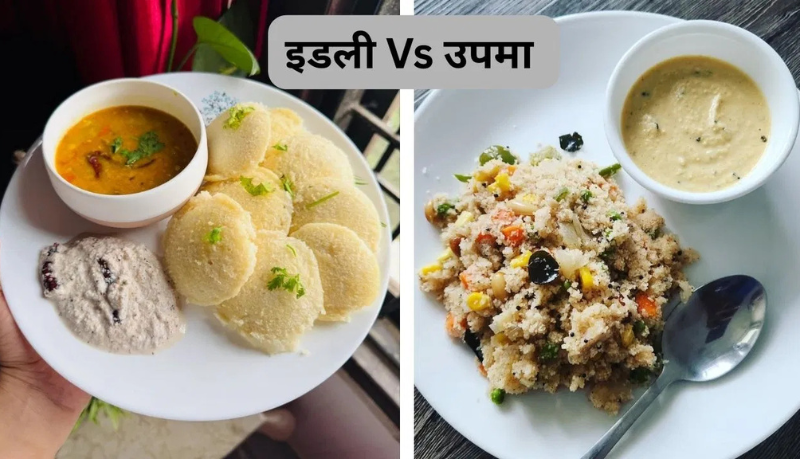
Breakfast in India is never boring especially in the South, where options like idli, upma, dosa, and pongal make mornings both flavorful and wholesome. Yet, one age-old question continues to divide food lovers: Idli vs Upma which is more filling and nutritious?
Both these dishes have stood the test of time, emerging as comfort food staples across India. While idli offers a soft, steamed experience that’s light on the stomach, upma delivers a hearty, savory kick perfect for busy mornings. Let’s dive deep into this breakfast debate and find out which one truly wins on the grounds of taste, nutrition, and satiety.
The Basics: What Are Idli and Upma?
Idli – The Steamed Classic
Idli is a traditional South Indian breakfast made from a fermented batter of rice and urad dal (black gram). The batter is steamed in circular molds, producing soft, fluffy cakes that melt in your mouth. Served with coconut chutney and sambar, idlis are known for being light, gut-friendly, and protein-rich.
Key highlights:
- Steamed – no frying or oil
- Fermented batter improves gut health
- Gluten-free and easily digestible
Upma – The Savory Comfort
Upma, on the other hand, is a savory porridge made from dry-roasted semolina (rava or suji). It’s cooked with water, vegetables, mustard seeds, curry leaves, and a dash of ghee or oil. Variations include oats upma, millet upma, and vermicelli upma.
Key highlights:
- Quick to prepare
- Versatile – can be customized with veggies or spices
- Slightly higher fat content due to ghee or oil
🍚 Nutritional Comparison: Idli vs Upma
When it comes to the difference between idli vs upma, both are healthy in their own ways but their nutritional makeup varies significantly.
| Nutrient | Idli (2 medium) | Upma (1 cup) |
| Calories | ~130 kcal | ~200 kcal |
| Carbohydrates | 28 g | 32 g |
| Protein | 4 g | 6 g |
| Fat | 0.5 g | 6 g |
| Fiber | 2 g | 3 g |
| Sodium | Low | Moderate (depends on salt & seasonings) |
(Approximate values; actual nutrition varies with ingredients and preparation method.)
Key Takeaways:
- Calories: Upma is denser and higher in calories, making it more filling but also more energy-rich.
- Protein: Both contain moderate protein, but idli scores better when paired with sambar or chutney.
- Fat: Upma generally contains more fat due to tempering with oil or ghee.
- Fiber: Vegetable-rich upma offers more fiber, aiding digestion and fullness.
⚖️ Satiety Factor: Which Is More Filling?
When comparing idli vs upma which is better for satiety, it depends on your needs:
- Upma gives a feeling of fullness for a longer time because of its slightly higher fat and fiber content. It’s ideal for people who have long gaps between meals.
- Idli, being lighter and steamed, digests quickly and feels airy. Perfect for those who prefer a lighter start or who eat smaller meals more frequently.
If you’re on a weight-loss journey, idli may be the better breakfast as it’s lower in calories and fat. But if you need sustained energy for a busy day, upma will keep hunger at bay for longer.
💪 Health Benefits: Idli vs Upma
Benefits of Idli
- Fermentation Boosts Digestion: The fermentation process in idli increases probiotic content, improving gut health and nutrient absorption.
- Low in Fat: Since idlis are steamed, they contain negligible oil, making them heart-friendly.
- Easy on the Stomach: Great for kids, the elderly, or anyone recovering from illness.
- Customizable Nutrition: Adding vegetables, oats, or millets to the batter can enhance its fiber and protein content.
Benefits of Upma
- Rich in Complex Carbohydrates: Provides steady energy release throughout the morning.
- Good Source of Fiber: Especially when prepared with vegetables like carrots, peas, and beans.
- Versatile Ingredients: You can make it healthier with millets, quinoa, or even oats instead of semolina.
- Quick and Convenient: Takes less time to cook—ideal for working professionals or busy mornings.
🍽️ Taste and Texture: The Experience Matters
Taste is subjective, but here’s what most foodies agree on:
- Idli: Soft, spongy, mild in flavor, and pairs beautifully with tangy sambar or coconut chutney.
- Upma: Savory, slightly grainy, aromatic with ghee, mustard seeds, and curry leaves—a burst of flavor in every spoonful.
While idli offers a comforting “light meal” vibe, upma is the more indulgent and satisfying option if you like bold flavors.
What Is the Difference Between Idli vs Upma? (Quick Recap)
| Aspect | Idli | Upma |
| Main Ingredient | Rice & Urad Dal | Semolina (Rava/Suji) |
| Cooking Method | Steamed | Roasted & Stir-cooked |
| Texture | Soft & Fluffy | Grainy & Moist |
| Calories | Lower | Higher |
| Preparation Time | Long (due to fermentation) | Quick |
| Digestibility | Very Easy | Moderate |
| Flavor | Mild | Savory & Aromatic |
Both are quintessential South Indian dishes, but they serve different moods idli for a calm, wholesome breakfast; upma for a hearty, flavor-packed meal.
Which Is Better for You?
If your goal is weight management or clean eating, go for idli. It’s low in fat, gluten-free, and easy to digest. Pair it with a bowl of sambar for added protein and vegetables.
If you need a filling meal that keeps you energized for hours, choose upma. It’s customizable, fiber-rich, and keeps hunger away for longer durations.
Ultimately, both idli and upma deserve a place in your breakfast routine just tailor your choice based on your energy needs, schedule, and taste preference.
🌟 Final Verdict: Balance Is Key
There’s no definitive winner in the idli vs upma debate it’s all about balance. Alternate between both for variety and nutrition. Enjoy idlis when you want something light and gut-friendly, and relish upma when you crave something warm, hearty, and filling.
Breakfast is the most important meal of the day, so make it wholesome, balanced, and delicious.
📍 Visit Yenna Dosa – The South Indian Experience in Pune
Looking to enjoy authentic South Indian flavors right here in Pune?
📍 Address: Yenna Dosa, Bibvewadi, Pune – 411037
📞Contact: +91 75229 09090
🌐Website:www.yennadosa.com
👉 Take a flavor tour of South India, one dosa at a time only at Yenna Dosa!
-
 Share
Share
-
 0
0
-
 0
0