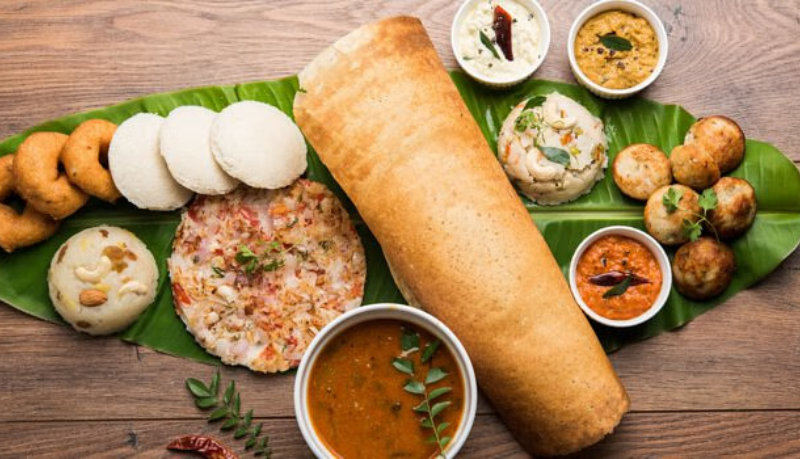
Introduction:
When you step into a South Indian restaurant, there’s an excitement in the air as you anticipate a sensory overload of flavours, textures, and aromas. But with the increasing popularity of South Indian food globally, how do you distinguish an authentic South Indian restaurant from one that’s simply capitalizing on the trend? Whether you’re a first-timer or a long-time fan of Tamil Nadu cuisine, Andhra meals, or Udupi food, ensuring authenticity is key to experiencing the true depth of South Indian flavours.
In this blog, we’ll take a closer look at what makes a South Indian restaurant authentic, focusing on the essential aspects that separate the real deal from the rest. From regional cooking techniques to the use of traditional spices and coconut-based curries, let’s explore the secrets behind truly authentic South Indian dining experiences!
1. Focus on Regional Specialties
South India is a melting pot of diverse cultures and cuisines. Each state within this region has its unique food traditions, and an authentic South Indian restaurant should reflect this diversity by offering regional specialties.
Tamil Nadu Cuisine:
The heart of Tamil Nadu cuisine lies in its use of rice, lentils, and a variety of aromatic spices. Common dishes include:
- Sambar: A tangy and spicy lentil stew made with vegetables, tamarind, and mustard seeds.
- Dosa: A thin, crispy pancake made from fermented rice and lentil batter, typically served with chutneys and sambar.
- Chettinad Curry: A spicy, aromatic curry made with roasted Chettinad masala that is native to the Chettinad region of Tamil Nadu.
Andhra Meals:
Andhra Pradesh is known for its fiery spicy food and pickles. The key elements include:
- Andhra Biryani: Spiced rice cooked with marinated meat, which is both flavorful and aromatic.
- Pesarattu: A green gram dosa that is typically served with ginger chutney and is popular in Andhra cuisine.
Udupi Food:
Udupi food originates from the coastal region of Karnataka and focuses heavily on vegetarian dishes using coconut, rice, and lentils. Key dishes include:
- Sambar and Rasam: Soups made from tamarind, tomatoes, and lentils, which are staples in any authentic Udupi meal.
- Mangalore Bun: A sweet, soft bread made with mashed bananas, flour, and coconut, served as a side dish.
An authentic restaurant will usually have a diverse menu reflecting the different regions of South India, providing an immersive experience of its food culture.
2. Traditional Spices and Ingredients
The spices used in South Indian cooking are the backbone of its bold and unique flavours. From mustard seeds and fenugreek to curry leaves and black pepper, an authentic South Indian restaurant should use fresh, high-quality spices. Look out for:
- Mustard Seeds: Often tempered in hot oil, mustard seeds release a pungent, nutty aroma that forms the base of many dishes like sambar and rasam.
- Curry Leaves: Fresh curry leaves are an essential part of the cuisine. These aromatic leaves are used to temper oil and add a distinct flavor to various curries and rice dishes.
- Asafoetida (Hing): A pinch of this spice adds a unique, savory flavor, often used in dal dishes and sambar.
- Tamarind: The tangy sourness of tamarind is used in many South Indian dishes, including sambar, rasam, and puli kulambu, giving them a distinctive depth of flavor.
- Coconut: From coconut-based curries in Kerala to coconut chutneys in Tamil Nadu, coconut is an essential ingredient in many South Indian dishes. It’s used both in its grated form and as milk, lending a creamy texture and flavor to the dishes.
If you’re eating at an authentic South Indian restaurant, the presence of freshly ground spices and ingredients like curry leaves and tamarind should be evident in every dish.
3. Use of Rice and Lentils
Rice and lentils are staples in South Indian cuisine, and the preparation methods vary across regions. A restaurant that takes the time to prepare traditional dishes will often serve rice-based meals paired with lentil-based sides.
- Idli and Dosa: Made from fermented rice and urad dal (black gram), these dishes are light yet filling, offering a balance of carbohydrates and proteins.
- Sambar: This signature dish is made from toor dal (pigeon peas), tamarind, and vegetables, giving it a hearty, savory base that complements rice or dosas.
- Rasam: A tangy soup made from tomatoes, tamarind, and lentils, which is a key part of a traditional South Indian meal.
An authentic South Indian restaurant will typically serve these lentil-based dishes with sambars, rasams, and pulses that are cooked to perfection. These ingredients provide a rich source of protein, fiber, and essential minerals.
4. Properly Cooked and Seasoned Sambar and Rasam
Sambar and rasam are integral parts of South Indian cuisine and should not be underestimated when assessing the authenticity of a restaurant. These two dishes, while seemingly simple, require precise cooking and seasoning:
- Sambar: The perfect sambar has a balance of sourness, spice, and savory flavor. Authentic sambar uses tamarind and freshly ground spices, with the right consistency that is neither too thick nor too thin.
- Rasam: A good rasam should be tangy and spicy, with tomato or tamarind as the base. It should also have a hint of sweetness, usually from jaggery or tamarind, and be served hot.
The best South Indian restaurants pay attention to the balance of flavours and the quality of spices used in these two iconic dishes.
5. The Dining Experience: Banana Leaves and Traditional Cutlery
Dining at an authentic South Indian restaurant isn’t just about the food—it’s about the experience. In traditional settings, meals are often served on banana leaves, which adds a distinct touch to the overall experience. This also helps retain the freshness and flavor of the food.
- Banana Leaves: Eating from a banana leaf is a hallmark of traditional South Indian dining, offering an aromatic and eco-friendly alternative to plates. The leaves are also said to have natural antiseptic properties, which enhance the overall dining experience.
- Traditional Cutlery: While many modern restaurants use contemporary cutlery, an authentic restaurant might still use hands to eat certain dishes like sambar rice, or parotas, reflecting the traditional way of eating.
The presence of banana leaves and the use of traditional South Indian cutlery (or no cutlery at all) indicates a restaurant’s commitment to authenticity.
6. A Focus on Freshness and Seasonal Ingredients
One key element that sets authentic South Indian restaurants apart is their focus on freshness. Authentic restaurants prioritize the use of seasonal ingredients, including fresh vegetables, herbs, and spices. South Indian cuisine thrives on the use of fresh ingredients, which help in creating vibrant and flavorful dishes.
- Seasonal Vegetables: South Indian dishes like avial (a mixed vegetable curry), poriyal (vegetable stir-fry), and keerai masiyal (spinach curry) make use of locally available, seasonal vegetables that are fresher and more flavorful.
- Fresh Coconut: Coconut is a crucial ingredient, often grated fresh to make coconut chutneys or used in coconut milk curries.
If you’re eating at a truly authentic South Indian restaurant, you’ll notice the quality of the ingredients and how they reflect the seasons.
Conclusion: Taste the Authenticity of South Indian Cuisine
In the world of South Indian food, authenticity is key to a truly satisfying dining experience. An authentic South Indian restaurant should offer a rich tapestry of regional specialties, use traditional spices and ingredients, and focus on the use of fresh, seasonal produce. Whether it’s the spicy sambars of Tamil Nadu, the fiery Andhra meals, or the vegetarian delights of Udupi food, every dish should transport you straight to the heart of South India.
Next time you’re craving some South Indian comfort food, remember to look for Yenna Dosa for authenticity. Enjoy a banana leaf meal, Savor the aromatic spices, and relish the bold flavours that make South Indian cuisine so unique and beloved.
📞 Call Us: 75229 09090
🌐 Explore More: yennadosa.com
📍 Visit Us: Otta No. 248, Yenna Dosa, Kothari Blocks, Vasant Baug, Sangam Society, Bibvewadi, Pune
-
 Share
Share
-
 0
0
-
 0
0