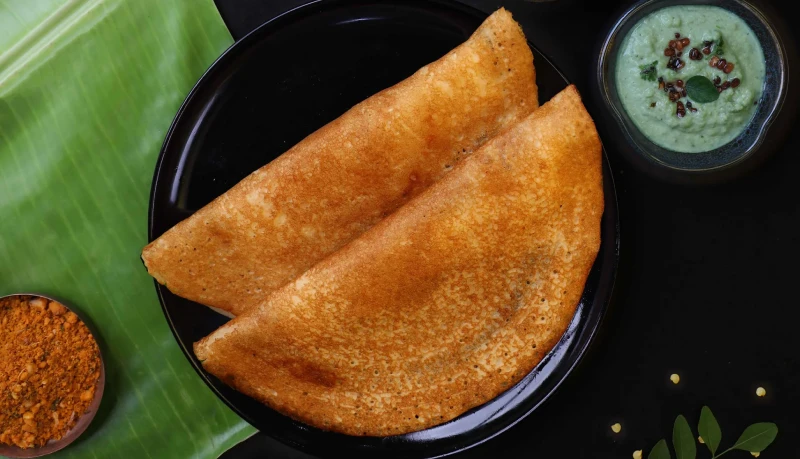
When it comes to South Indian breakfasts, dosa is a timeless favorite. Crispy, delicious, and versatile, it has been a staple in Indian households for generations. But with growing awareness around health and nutrition, many people are now exploring healthier dosa alternatives and millet dosa is leading the trend.
So, is millet dosa actually healthier than regular dosa? Let’s break it down and understand the real millet dosa benefits.
What Is Regular Dosa?
Traditional dosa is made using a fermented batter of rice and urad dal (black gram). It’s light, tasty, and easy to digest. However, since rice is the primary ingredient, it tends to be high in carbohydrates and has a relatively higher glycemic index (GI).
This means it can cause a quicker spike in blood sugar levels, especially if consumed in large quantities.
What Is Millet Dosa?
Millet dosa replaces rice with nutrient-rich millets such as ragi, foxtail millet, or bajra. These grains are ancient superfoods known for their high fiber content, minerals, and slow-digesting properties.
Popular variations like ragi dosa nutrition highlight how millets can transform a simple dish into a wholesome, balanced meal.
Millet Dosa Benefits You Should Know
1. Low Glycemic Index (Perfect for Blood Sugar Control)
One of the biggest advantages of millet dosa is that it falls under a low GI breakfast category. Unlike regular dosa, it releases glucose slowly into the bloodstream, making it a great diabetic-friendly dosa option.
2. Rich in Fiber
Millets are naturally high in dietary fiber. This helps improve digestion, keeps you full for longer, and supports weight management.
3. Packed with Nutrients
Millets are loaded with essential nutrients like iron, calcium, magnesium, and B vitamins. For example, ragi is especially rich in calcium, making it excellent for bone health.
4. Supports Weight Loss
Because of its fiber content and slow digestion, millet dosa helps reduce cravings and overeating making it ideal for those looking to manage their weight.
5. Gluten-Free & Gut Friendly
Millets are naturally gluten-free, making millet dosa a great choice for people with gluten intolerance or those looking to improve gut health.
Regular Dosa vs Millet Dosa – Key Differences
| Factor | Regular Dosa | Millet Dosa |
| Main Ingredient | Rice & Urad Dal | Millets (Ragi, Bajra, Foxtail) |
| Glycemic Index | Higher | Lower |
| Fiber Content | Moderate | High |
| Nutrition | Good | Excellent (more minerals) |
| Suitable For | General consumption | Diabetics, weight watchers |
What About Taste?
A common question people have is whether millet dosa tastes as good as regular dosa.
The answer? Absolutely just different.
Millet dosa has a slightly earthy, nutty flavor compared to the mild taste of regular dosa. When paired with chutneys, sambhar, or podi, it delivers a delicious and satisfying experience. In fact, many people start preferring it once they get used to the taste.
Which One Should You Choose?
If you’re looking for comfort and tradition, regular dosa is still a great option. But if your goal is better health, improved digestion, and balanced nutrition, millet dosa clearly stands out.
You don’t have to completely eliminate regular dosa just start incorporating millet dosa into your routine. Even replacing a few meals a week can make a noticeable difference.
Final Verdict
Both dosas have their place in your diet, but millet dosa wins when it comes to overall health benefits. With its low glycemic index, high fiber, and rich nutrient profile, it’s a smart and delicious upgrade to your everyday breakfast.
If you’re searching for a diabetic-friendly dosa, a low GI breakfast, or simply a healthier twist on your favorite dish, millet dosa is definitely worth trying.
📍 Address: Yenna Dosa, Bibvewadi, Pune – 411037📞 Contact: +91 75229 09090🌐 Website: www.yennadosa.com
👉 Take a flavor tour of South India one dosa at a time, only at Yenna Dosa!
-
 Share
Share
-
 0
0
-
 0
0