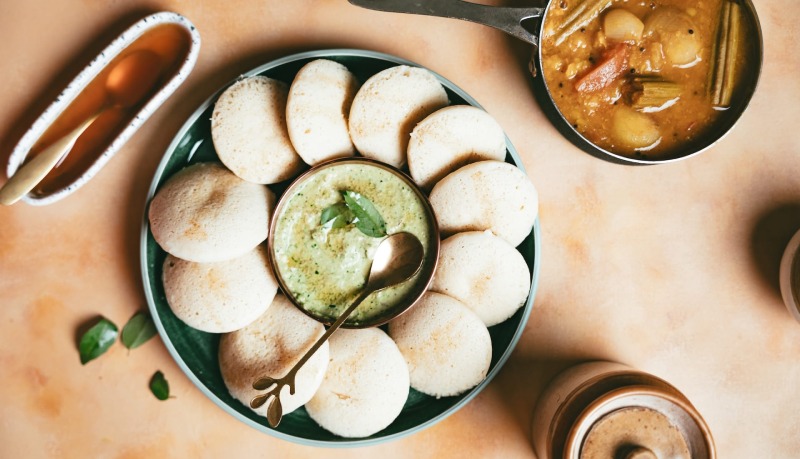
Idli, a staple of South Indian cuisine, is celebrated for its soft and fluffy texture. It’s a breakfast favorite and is often the first dish many people associate with South Indian food. While the concept of idli is simple, achieving the perfect texture is an art. Whether you’re making idlis at home or enjoying them at a local eatery, understanding the secrets behind their fluffiness can help you recreate this beloved dish. In this blog, we’ll break down the essentials of making soft, fluffy idlis from batter fermentation to steaming techniques that make them light and delicious every time.
The Base: Idli Batter Preparation
The first step to achieving soft idlis starts with the batter. Idli batter is typically made from rice and urad dal (split black gram), though other variations may include ingredients like fenugreek or poha (flattened rice) to enhance the batter’s texture.
Soaking: The First Step for Soft Idlis
The key to a good batter begins with soaking the rice and dal. Soak the rice for 4-6 hours and the urad dal for 2-3 hours. This soaking process softens the grains and helps with the grinding process. The longer you soak, the better the batter’s texture will be.
Grinding: Achieving the Right Consistency
Once the rice and dal are soaked, they are ground together into a smooth batter. The texture of the batter is crucial to the fluffiness of the idli. The urad dal should be ground finely to help create the airy texture, while the rice can be ground slightly coarser. This combination helps achieve that signature soft and light idli. A traditional stone grinder or wet grinder gives the best results, but a food processor or blender can also be used in a pinch.
Fermentation: The Heart of Soft Idlis
Fermentation is the secret that makes idlis rise and become fluffy. Once the batter is prepared, it needs to be fermented for 8-12 hours, depending on the ambient temperature. This process is essential as it allows natural bacteria to break down the starches in the batter, producing carbon dioxide. These bubbles get trapped in the batter, causing it to rise and become light and airy.
The Role of Temperature
Fermentation thrives in a warm environment. If you live in a colder climate, you can place the batter in a warm spot, like the oven with the light on, to encourage fermentation. Avoid fermenting the batter in too cold or too hot conditions, as it can affect the texture and taste. Proper fermentation will lead to a batter that has increased in volume and looks bubbly and airy.
Fermentation Tips
- Ensure the rice and dal are soaked properly before grinding.
- Cover the batter to retain heat and avoid contamination.
- Let the batter rise in a warm place, ensuring that it ferments evenly.
Steaming: Perfecting the Texture
Once your batter is ready, it’s time to steam. Steaming is the final step that helps achieve the signature soft and fluffy texture of idlis.
Using the Right Equipment
Traditional idli makers, consisting of tiered plates with small molds, are designed specifically for steaming idlis. These plates help distribute steam evenly, which is crucial for cooking the idlis to perfection. If you don’t have an idli maker, you can use a pressure cooker or a regular steamer. However, ensure that the water does not touch the batter while steaming.
Steaming Process
To steam the idlis, fill the idli molds with batter, but avoid overfilling. Leave some space for the idlis to expand as they cook. Place the filled molds in the steamer and steam for 10-12 minutes over medium heat. Opening the steamer lid frequently can cause the temperature to fluctuate, so it’s best to avoid doing that.
You can test if the idlis are done by inserting a toothpick or a knife into the center. If it comes out clean, the idlis are ready. Be careful not to over-steam them, as this can cause the idlis to become hard instead of soft.
Common Mistakes to Avoid
Achieving perfect idlis requires precision. Here are some common mistakes to avoid:
- Incorrect Water Ratio: The amount of water added during grinding should be balanced. Too little water results in thick batter, making the idlis dense, while too much water can make them sticky and mushy.
- Under or Over-fermenting: If the batter isn’t fermented long enough, the idlis may turn out hard. Over-fermenting the batter can cause it to sour.
- Wrong Steaming Technique: Overcrowding the idli molds or opening the steamer too often can affect the texture of the idlis.
The Science Behind Soft Idlis
The soft and fluffy texture of idlis is primarily due to fermentation. The fermentation process produces carbon dioxide, which gets trapped in the batter. When steamed, these bubbles expand, creating air pockets in the idlis. The key to achieving a soft texture is ensuring that the batter ferments well and the steaming process is done correctly.
Tips for Extra Soft Idlis
- Use Fresh Ingredients: Fresh urad dal and rice will yield the best results. Old or stale ingredients can negatively affect the texture of the batter.
- Avoid Over-Mixing: Once the batter has fermented, avoid over-mixing it. This can deflate the bubbles and make the idlis denser.
- Adjust Steaming Time: If you’re making a smaller batch of idlis, reduce the steaming time to prevent them from becoming too hard.
- Use Warm Water for Grinding: If you’re grinding the batter in a cold climate, use slightly warm water to help the grinding process.
Conclusion: The Perfect Soft Idli
Making soft, fluffy idlis is an art, but with the right approach, anyone can perfect it. From soaking and grinding the rice and dal to the crucial steps of fermentation and steaming, every stage plays an important role in achieving that perfect texture. Once you master these steps, you’ll be able to enjoy melt-in-your-mouth idlis at home or savor them at your favorite restaurant.
📍 Address: Yenna Dosa, Bibvewadi, Pune – 411037
📞 Contact: +91 75229 09090
🌐 Website: www.yennadosa.com
👉 Take a flavor tour of South India one dosa at a time, only at Yenna Dosa!
-
 Share
Share
-
 0
0
-
 0
0