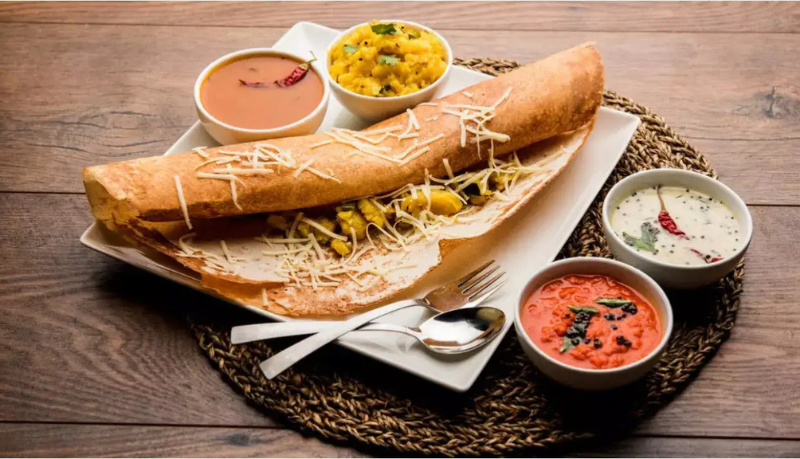
Cheese dosa, with its crispy exterior and gooey center, is one of the most popular modern takes on classic South Indian cuisine. It combines the classic fermented rice and lentil dosa batter with a generous sprinkle (or slab) of melted cheese. But here’s the big question: Is cheese dosa healthy?
In this post, we’ll break down the cheese dosa calories, nutrition facts, and how you can enjoy it without throwing your diet off track. Plus, we’ll throw in a few smart diet tips and healthy dosa options you’ll want to bookmark for your next meal plan.
What’s in a Cheese Dosa, Anyway?
Before we dive into the calories, let’s take a look at the ingredients that go into a typical cheese dosa:
- Dosa batter is made by fermenting a mixture of rice and urad dal. Cheese (usually processed or mozzarella)
- Oil or butter for cooking
- Optional fillings like onions, chutney, or vegetables
It’s essentially a dosa base with cheese added either inside or on top, depending on how indulgent you’re feeling.
Cheese Dosa Calories: A Closer Look
Alright, let’s crunch some numbers (pun intended). A standard plain dosa usually has between 120 and 150 calories. Add cheese to the mix, and you’re looking at an average of 250–350 calories per cheese dosa, depending on the portion size and type of cheese used.
Here’s a breakdown:
IngredientEstimated Calories
Plain dosa 130–150
Cheese (1/4 cup) 100–120
Oil/butter for cooking 20–50
Total 250–350
Now, that doesn’t sound too outrageous, but keep in mind—those numbers can climb quickly if you’re generous with the cheese or oil.
Is Cheese Dosa Nutritious?
Let’s talk dosa nutrition. On its own, dosa is a great source of:
- Complex carbs (thanks to rice)
- Plant-based protein (from lentils)
- B vitamins and minerals like iron and calcium
But what happens when we throw cheese into the mix?
The Good:
- Cheese brings calcium, protein, and healthy fats to the table—key nutrients your body needs in moderation.
- It can make the dosa more satiating, keeping you full longer.
The Not-So-Good:
- Cheese is high in saturated fat and sodium, which can be problematic if eaten frequently.
- Processed cheese, commonly used in dosa stalls, may contain added preservatives and lower nutritional value.
So, while it’s not exactly a “superfood,” it’s also not the villain it’s sometimes made out to be.
Healthy Dosa Options & Smarter Swaps
Craving cheese dosa but want to keep things light? Here are some healthier spins:
1. Use Low-Fat or Paneer Instead of Processed Cheese
Swap out processed cheese for shredded low-fat cheese or crumbled paneer. Paneer packs in protein while keeping the fat content relatively low.
2. Try Millet or Ragi Dosa Batter
Instead of traditional rice batter, opt for ragi, oats, or millet dosa—great for diabetic-friendly and high-fiber diets.
3. Add Veggies
Bulk up your dosa with onions, spinach, capsicum, or grated carrots. Not only do they add flavor, but they also increase the nutrient content.
4. Cook With Less Oil
A non-stick pan or minimal oil spray can help reduce those sneaky extra calories.
Cheese in Indian Food: Friend or Foe?
Cheese isn’t traditionally a staple in most Indian diets, but thanks to globalization and culinary creativity, it’s making its way into everything—from parathas to dosas to curries.
Here’s what to remember:
- Portion control is key.
- Stick with natural cheeses over ultra-processed ones.
- Pair cheese dishes with fiber-rich foods like lentils, veggies, or whole grains to balance things out.
So, nope—cheese in Indian food isn’t the enemy, as long as it’s eaten mindfully.
Diet Tips for Dosa Lovers
Want to enjoy dosas regularly without feeling guilty? Here’s how:
- Eat dosa as a breakfast or lunch item, not a heavy dinner.
- Pair with protein-rich sides like sambhar, chutneys with peanuts or coconut, or dal.
- Avoid deep-fried accompaniments like medu vada or too much butter.
- Choose homemade over restaurant versions whenever possible for better control over ingredients.
Can You Eat Cheese Dosa While on a Diet?
Absolutely—but moderation is everything.
If you’re on a weight loss or low-carb diet, limit cheese dosa to an occasional treat rather than a daily habit. Opt for one dosa with lots of veggies, skip the sugary beverages, and enjoy a side salad to add fiber.
And hey, you can always make your own version at home with low-fat cheese and whole grain batter. That way, you still satisfy your craving without compromising your goals.
FAQs About Cheese Dosa Calories and Health
Q1: Is cheese dosa high in calories?
Yes, it can range anywhere from 250 to over 350 calories, depending on the amount of cheese and oil used.
Q2: Is it okay to have cheese dosa if I have diabetes?
In moderation, yes—especially if made with low-GI dosa batters like ragi or oats and low-fat cheese.
Q3: Which cheese is best for dosa if I’m watching my weight?
Go for low-fat mozzarella, paneer, or even tofu shreds as lighter options.
Q4: Is cheese dosa good for kids?
Absolutely! Kids need fat and calcium for growth. Just keep the portion size balanced and avoid too much processed cheese.
Q5: Can I make cheese dosa without oil?
Yes! Use a non-stick pan or a cast-iron tawa with minimal ghee or oil spray.
Wrapping It Up
So, is cheese dosa healthy? It can be! While it’s definitely more indulgent than a plain dosa, there’s no harm in enjoying it now and then—especially if you make smart tweaks. Pay attention to portion size, choose better ingredients, and balance it out with wholesome sides.
Craving a delicious cheese dosa done right? Visit Yenna Dosa!
If you’re in Pune and your taste buds are tingling just thinking about that crispy, cheesy goodness—head straight to Yenna Dosa! They serve up some of the tastiest, freshest dosas with a modern twist, all while keeping quality and hygiene top-notch.
📍 Address: Otta No 248, Opp Kothari Block, Bibvewadi, Pune, Maharashtra 411307
📞 Phone: +91 75229 09090
🌐 Website: https://yennadosa.com/
Whether you’re looking for a cheat-day treat or a quick snack with friends, Yenna Dosa is your go-to dosa destination.
-
 Share
Share
-
 0
0
-
 0
0